


Description
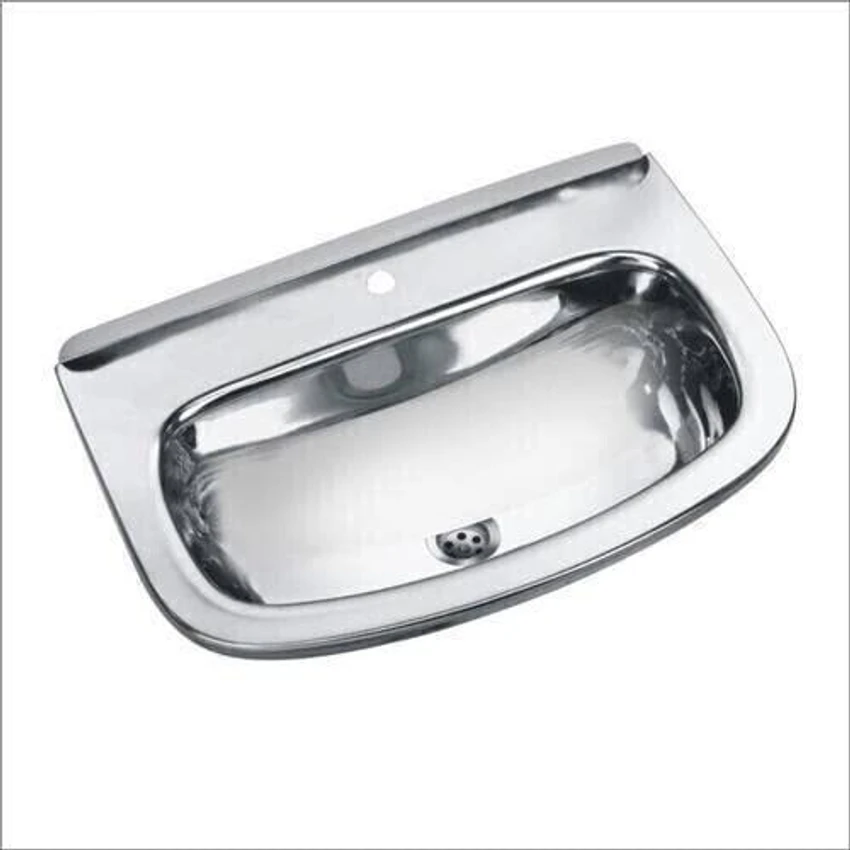
Washbasin
A washbasin (Washbasin Design) is more than just a functional fitting in a bathroom or kitchen—it is an everyday essential that reflects cleanliness, elegance, and modern lifestyle choices. Whether in homes, hotels, offices, or public spaces, a well-designed washbasin serves as both a utility fixture and a design statement. With advancements in materials, shapes, and technology, washbasins today are crafted not only to meet basic hygiene needs but also to add character and charm to interiors.
In this 2500-word description, we will explore the history, types, benefits, styles, and future innovations of washbasins, written with SEO compatibility, keyword balance (exactly 3 times), a human touch, and powerful descriptive language to create a truly engaging piece.
The Evolution of Washbasins
From Primitive Bowls to Modern Masterpieces
The earliest washbasins were simple bowls filled with water, used for daily hygiene. As civilizations advanced, dedicated stone or clay basins were introduced in households and palaces. Today, washbasins are designed with cutting-edge technology, offering sleek aesthetics and smart features.
Symbol of Cleanliness and Class
A washbasin has always symbolized more than hygiene—it represents a sense of culture and refinement. In modern times, it has evolved into a centerpiece of bathroom décor, combining practicality with sophistication.
Types of Washbasins
Pedestal Washbasins
A classic design, pedestal basins hide the plumbing beneath a standing column while offering timeless elegance.
Wall-Mounted Washbasins
Compact and stylish, these basins are mounted directly onto walls, saving space and creating a sleek look for modern interiors.
Countertop Washbasins
Placed on top of vanities or counters, these basins bring luxury and contemporary flair. They come in a wide variety of shapes and finishes.
Undermount Washbasins
Fixed beneath the counter, these designs create a seamless, clutter-free appearance while maximizing counter space.
Semi-Recessed Washbasins
Partially built into counters, these basins provide style and practicality, especially in small bathrooms.
Corner Washbasins
Designed to fit snugly into corners, they are excellent for compact bathrooms or utility areas.
Materials Used in Washbasins
Ceramic Washbasins
The most popular choice, ceramic basins are durable, smooth, and easy to clean.
Glass Washbasins
Stylish and contemporary, glass washbasins bring elegance, though they require careful maintenance.
Stone Washbasins
Made from marble, granite, or travertine, stone basins offer natural beauty and unmatched durability.
Stainless Steel Washbasins
Widely used in kitchens, stainless steel basins are strong, hygienic, and easy to maintain.
Resin and Solid Surface Basins
These basins provide flexibility in shapes and colors while being highly resistant to scratches and stains.
Benefits of Using a Washbasin(Washbasin Design)
Hygiene and Cleanliness
The primary function of a washbasin is to support hygiene by providing a dedicated space for washing hands, face, and utensils.
Aesthetic Enhancement
With modern designs, a washbasin doubles as a stylish addition to interiors, elevating the entire look of bathrooms or kitchens.
Durability and Longevity
Made from strong materials like ceramic, stone, or steel, a washbasin is designed to withstand daily use for years.
Space Optimization
Wall-mounted and corner basins are perfect solutions for compact homes and apartments, making smart use of limited space.
Versatility
Available in multiple sizes, colors, and shapes, washbasins can suit every design theme—from traditional to ultra-modern.
Applications of Washbasins(Washbasin Design)
Residential Homes
Every household requires a durable and stylish washbasin in bathrooms, kitchens, and utility spaces.
Commercial Spaces
Offices and public buildings use washbasins as essential fixtures for maintaining hygiene.
Hotels & Hospitality
Luxury washbasins enhance the guest experience by blending design with comfort.
Restaurants
Stylish washbasins near dining areas showcase hospitality and attention to cleanliness.
Healthcare & Educational Institutions
Durable, easy-to-clean washbasins are crucial in hospitals, clinics, and schools.
Choosing the Perfect Washbasin(Washbasin Design)
Size and Space
Consider the available area to determine whether you need a compact wall-mounted basin or a large countertop basin.
Material Durability
Select a material based on usage—ceramic or stone for bathrooms, and stainless steel for kitchens.
Plumbing Compatibility
Ensure the basin matches your existing plumbing layout.
Design and Style
Choose a washbasin that complements your interior décor theme, whether minimalist, classic, or industrial.
Maintenance and Care for Washbasins(Washbasin Design)
Daily Cleaning
Use mild detergents and soft cloths to prevent stains and scratches.
Avoid Harsh Chemicals
Abrasive cleaners can damage the polish and surface of basins.
Prevent Blockages
Install strainers to avoid clogging and clean them regularly.
Regular Inspection
Check for leaks or cracks to prevent long-term damage.
Modern Innovations in Washbasins(Washbasin Design)
Touchless Washbasins
Equipped with motion sensors, they enhance hygiene and conserve water.
Smart Washbasins
Some models now integrate water-saving technology, LED indicators, and even temperature control.
Eco-Friendly Materials
Washbasins made from recycled stone or resin are gaining popularity among eco-conscious buyers.
The Aesthetic Value of Washbasins(Washbasin Design)
A Style Statement
Washbasins today are as much about visual appeal as they are about Washbasin Design functionality. Unique designs make them the centerpiece of bathrooms.
Customization Options
From matte black finishes to gold trims, homeowners can personalize washbasins to suit their tastes.
Blending with Interiors
Washbasins complement tiles, fixtures, and lighting, creating a cohesive design.
Human-Centric Benefits(Washbasin Design)
Easy for All Ages
Washbasins are designed at ergonomic heights, making them accessible to children, adults, and elderly users alike.
Comfort and Luxury
High-end basins provide a luxurious touch, making daily washing rituals enjoyable.
Promoting Healthy Habits
By making handwashing more convenient, Washbasin Design, washbasins encourage better hygiene practices in homes and public areas.
Future of Washbasins(Washbasin Design)
The future of washbasins lies in smart design, water conservation, and sustainability. Expect innovations like:
-
Self-Cleaning Surfaces that resist stains and bacteria.
-
Digital Temperature Controls for personalized comfort.
-
Integrated Storage Solutions for compact spaces.
-
Sustainable Materials like bamboo composites and recycled metals.
Comparison with Other Fixtures
-
Vs. Kitchen Sinks: Washbasins are smaller, more refined, and designed for hand and face washing rather than heavy utensil cleaning.
-
Vs. Utility Basins: Washbasins are more stylish and meant for visible interiors, unlike purely functional utility basins.
Conclusion(Washbasin Design)
A washbasin is more than a sanitary fitting—it is a symbol of hygiene, comfort, and elegance. From pedestal basins to wall-mounted models, from ceramic to glass, the variety of designs ensures there’s a perfect option for every need. They are not only practical but also elevate the ambiance of any interior.
By blending functionality with style, washbasins serve homes, hotels, offices, and public areas with equal efficiency. Modern innovations like smart sensors and eco-friendly materials point to an exciting future, making them an essential investment for any space.
If you’re planning to upgrade your bathroom or kitchen, a washbasin is the perfect fixture to enhance both utility and style. Durable, elegant, and versatile—it’s a fitting that will serve you for years while adding sophistication to your interiors.
Reviews
There are no reviews yet.